
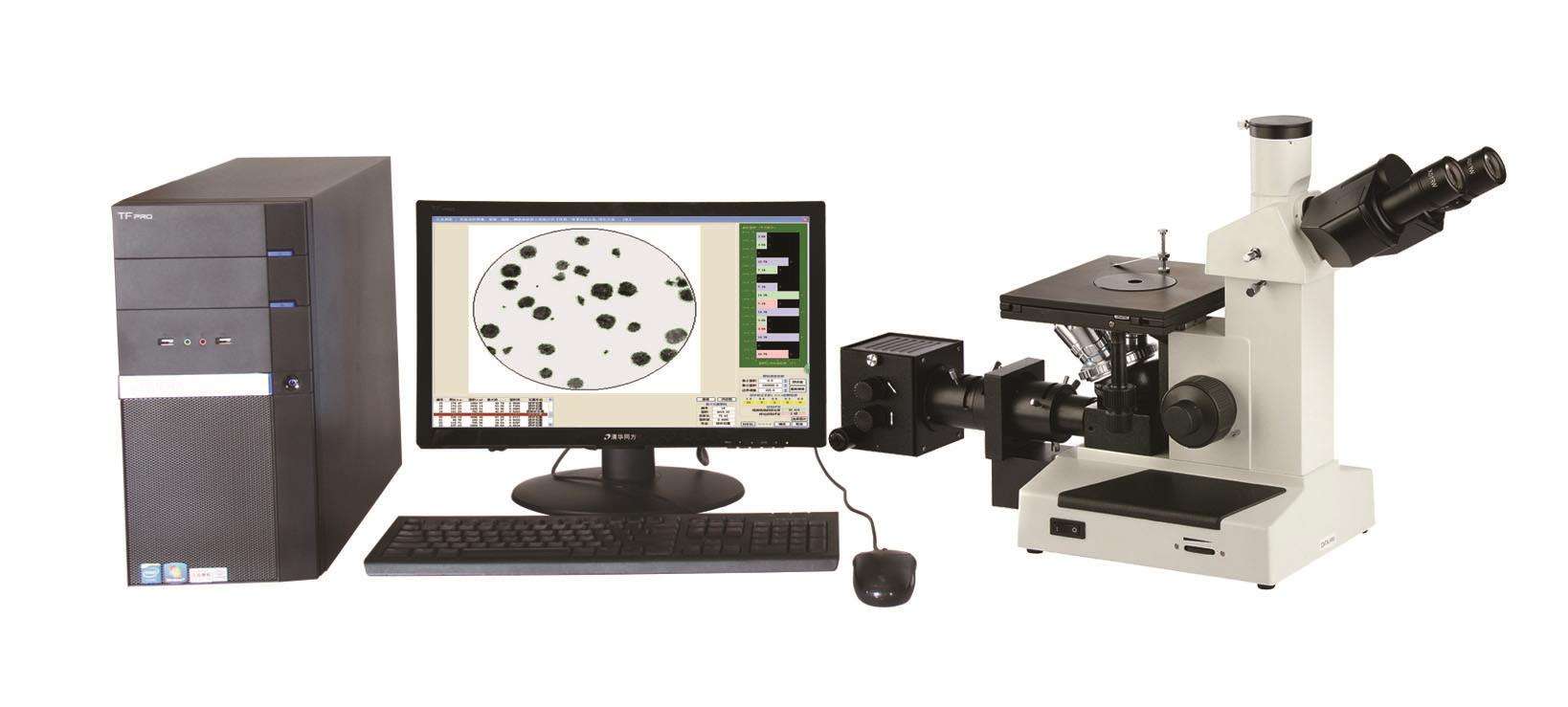
Metallurgical Microscopes
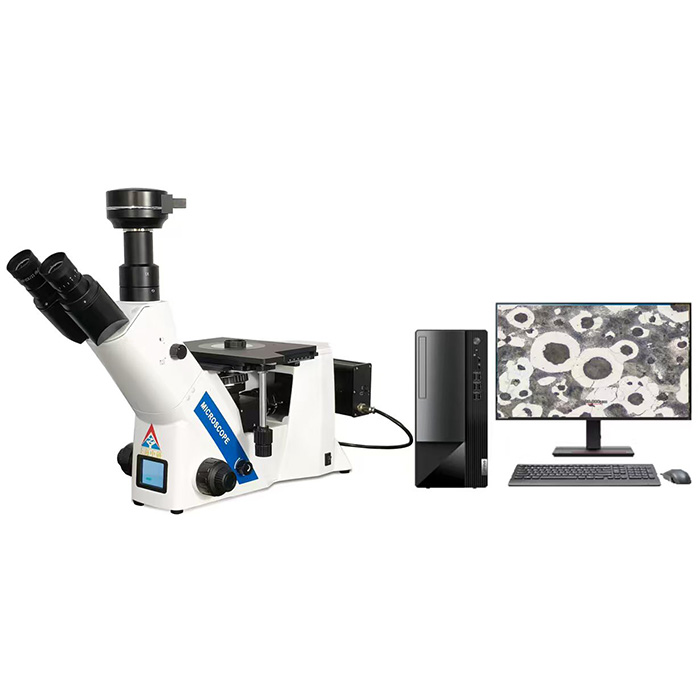
4XC-ST Metallurgical Microscope / Metallographic Micro Image Analysis System
Metallurgical Microscope
Model 4XC-ST
Details
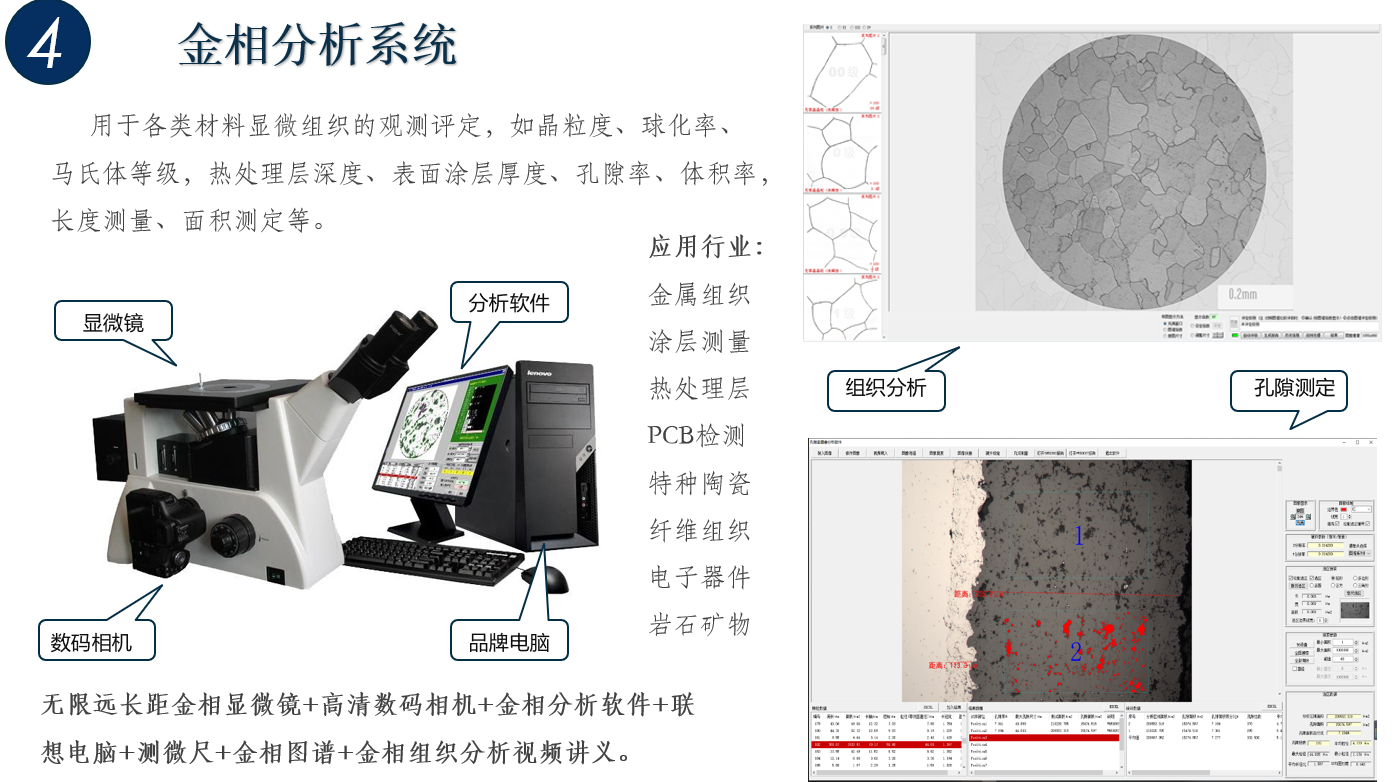
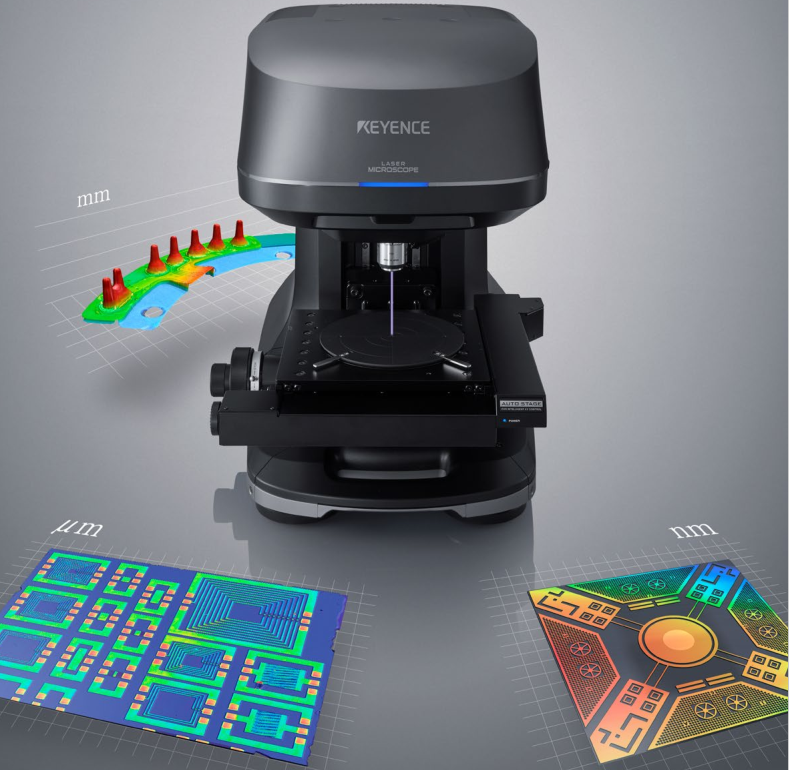
Metallurgical, inverted and laser confocal microscopes with image analysis systems — observation and judgement in one
Metallurgical Microscope
Metallurgical Microscope
Metallurgical Microscope
Metallurgical Microscope
A metallurgical microscope uses reflected light: the lamp is shaped by aperture and field stops (Köhler illumination) to light the field evenly, and the objective both condenses and images, magnifying the surface into the eyepiece or camera. Resolution is set by numerical aperture, d = 0.61λ/NA — higher NA resolves finer detail but shallower depth of field. The ZHONGYAN 4XC series uses infinity-corrected plan achromats, 50×–1000× in five steps, with polarised light, darkfield and microhardness attachments.
The preparation/inspection workflow built around the Microscopes — every step has its own consumables and parameters.
| Total magnification | 50× – 1000× |
|---|---|
| Objectives | 5× / 10× / 20× / 50× / 100× |
| Numerical aperture | 0.12 – 0.95 |
| Illumination | 12 V 50 W halogen / LED |
| Standards | GB/T 2609 |
Routine structure rating and grain size → upright metallurgical microscope with a 5 MP camera and calibrated reticle.
Large parts that cannot be sectioned → portable field microscope with a magnetic base that mounts directly on the workpiece.
Inclusion rating, coating thickness or failure analysis → add image-analysis software for automatic rating to GB/T 10561 and layer measurement.
下面三栏分别是同行业工件的真实处理方式、对应的检测方法,以及现场最常要算的几个量。
Lines are staffed 08:30–17:30 on business days. Leave a message after hours and we reply the next working day.
Call Us021-51693591 Email for a quotezhongyanyiqi@163.com Send a messageInclude material and specimen size for a faster answerShortlisted from our own range only; final specifications confirmed by our engineers. Full selection →