
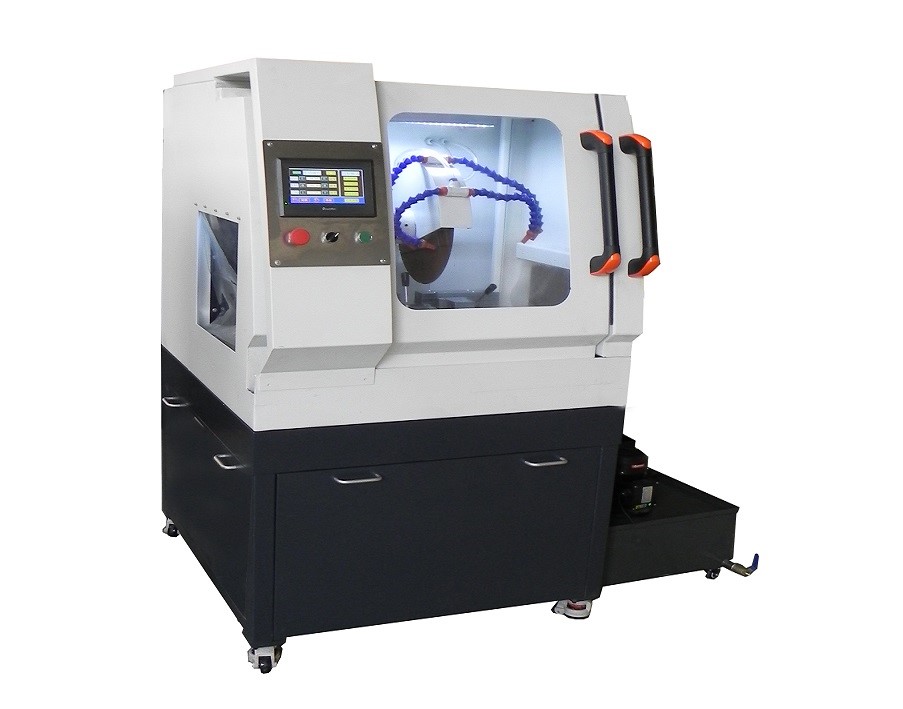
Smart Automatic Cut-off Machines (Large & Medium)
ZQ-300F/ZQ-300S Intelligent Automatic Metallographic Cutting Machine
Smart Automatic Cut-off (Large/Medium)
Model ZQ-300F
Details
Intelligent automatic, precision, manual and superhard-material cutting — from large workpieces to crystals, ceramics and glass
Smart Automatic Cut-off (Large/Medium)
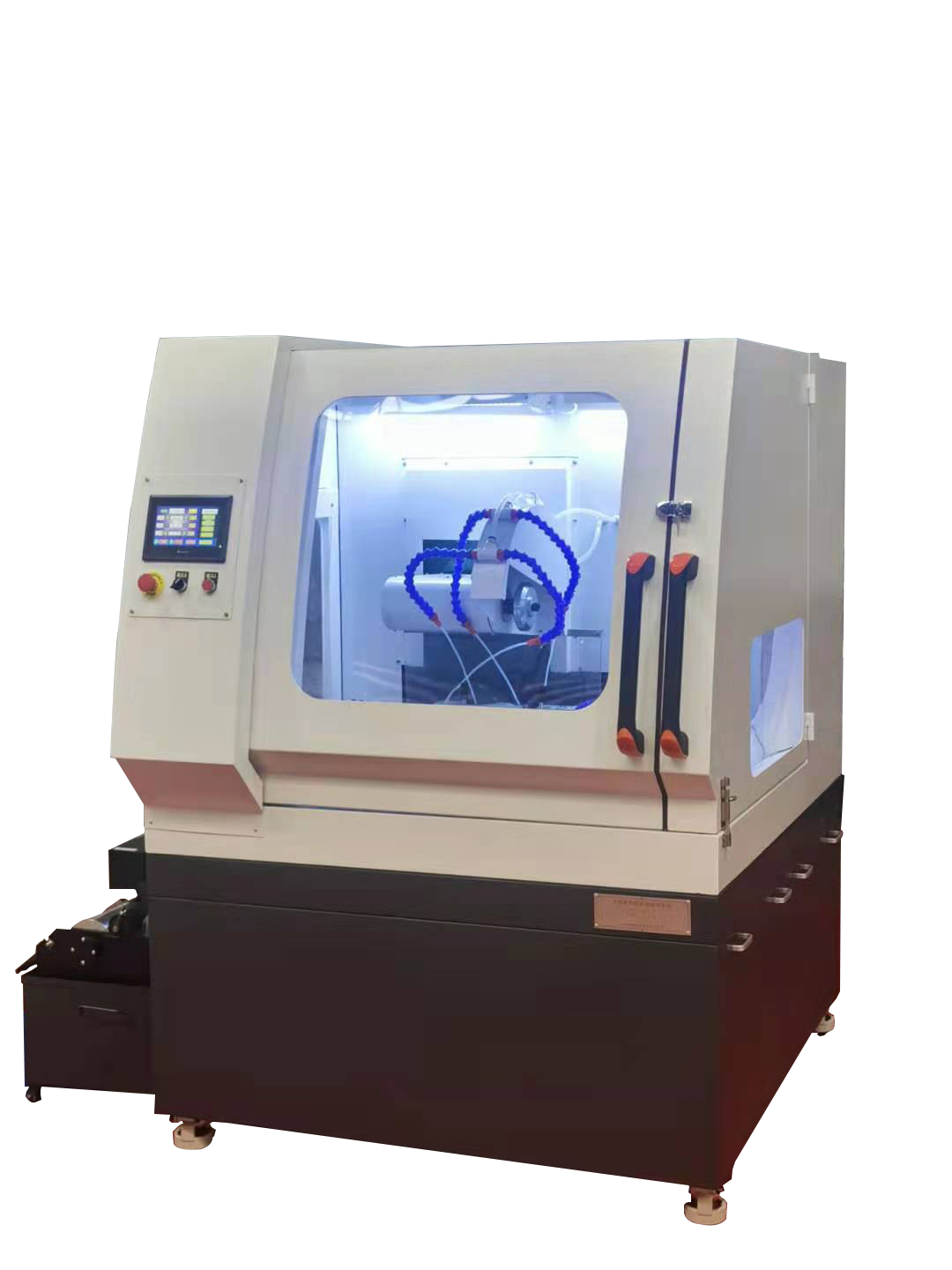
Smart Automatic Cut-off (Large/Medium)
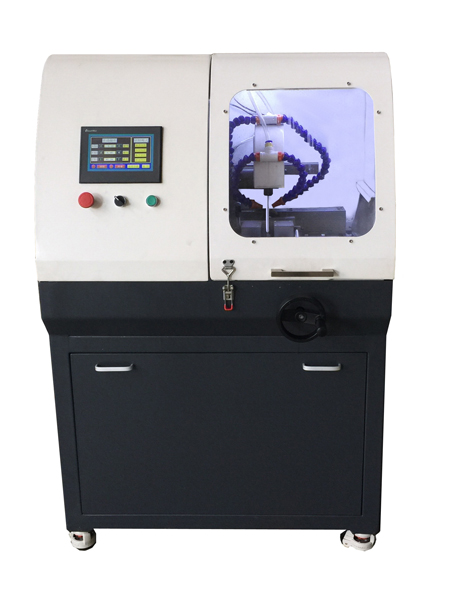
Smart Automatic Cut-off (Large/Medium)
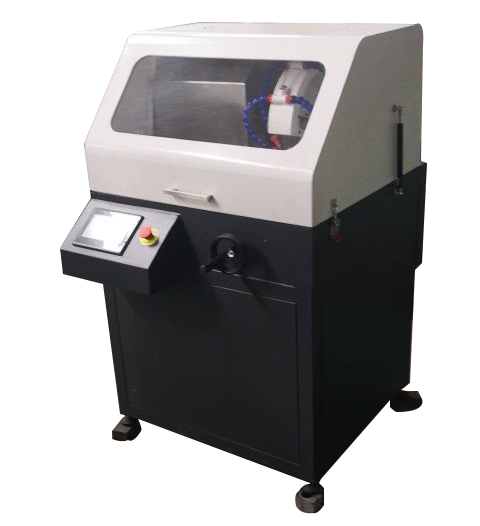
Smart Automatic Cut-off (Large/Medium)
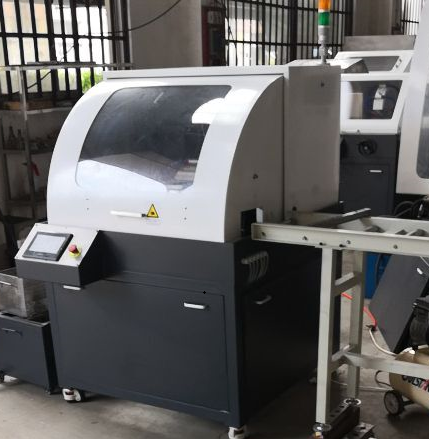
Automatic Continuous-feed Cutter
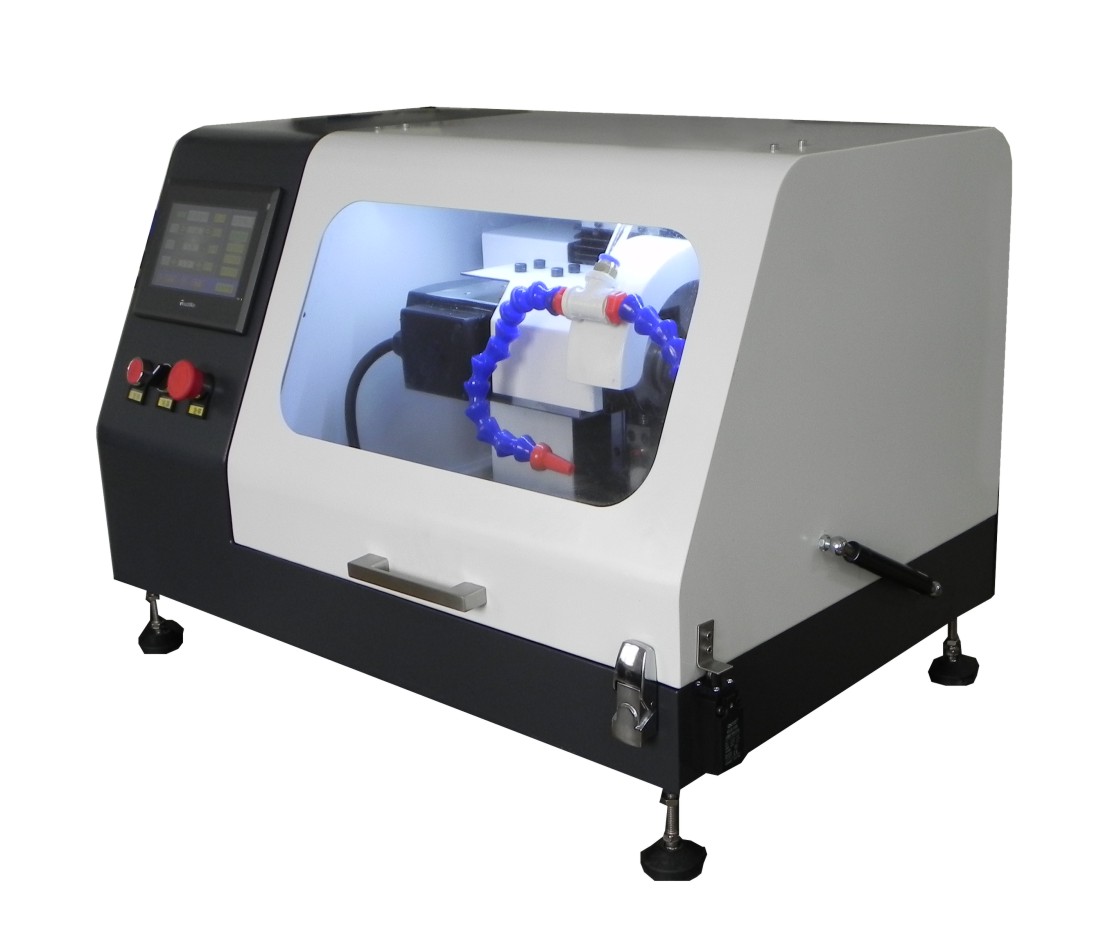
Smart Precision Cutter (Small)
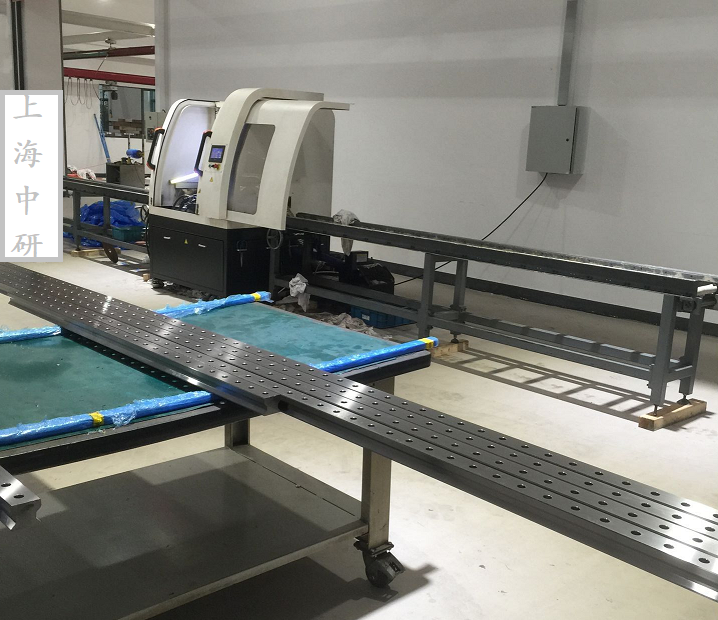
Rail Guide Cutting Machine
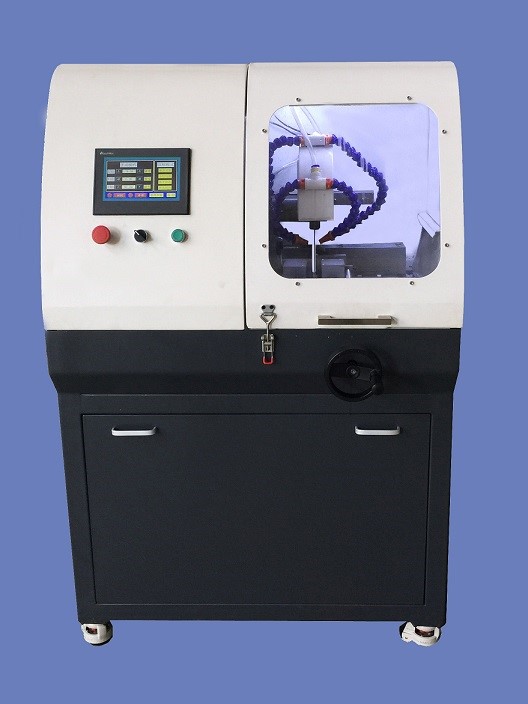
Superhard Material Cutter
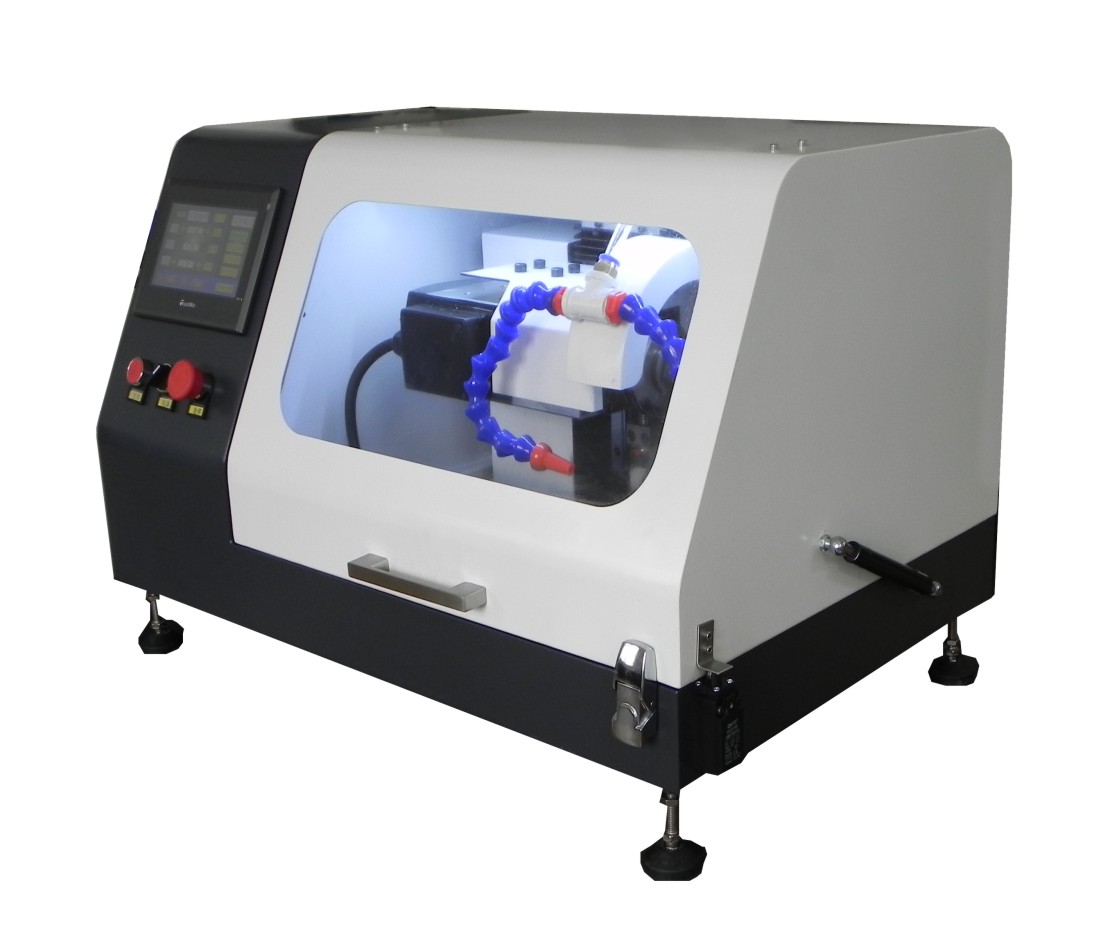
Smart Precision Cutter (Small)
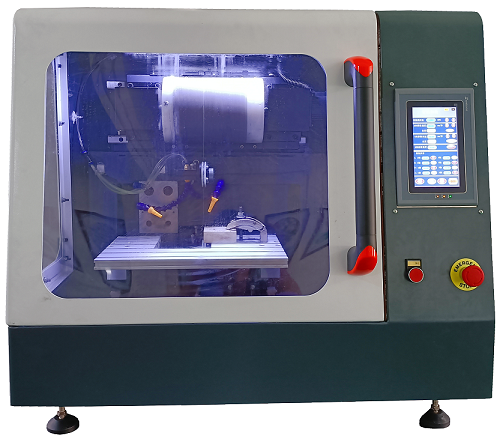
Superhard Material Cutter
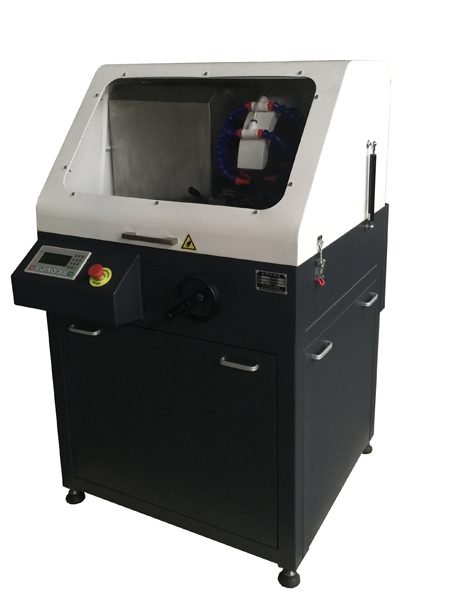
Smart Automatic Cut-off (Large/Medium)
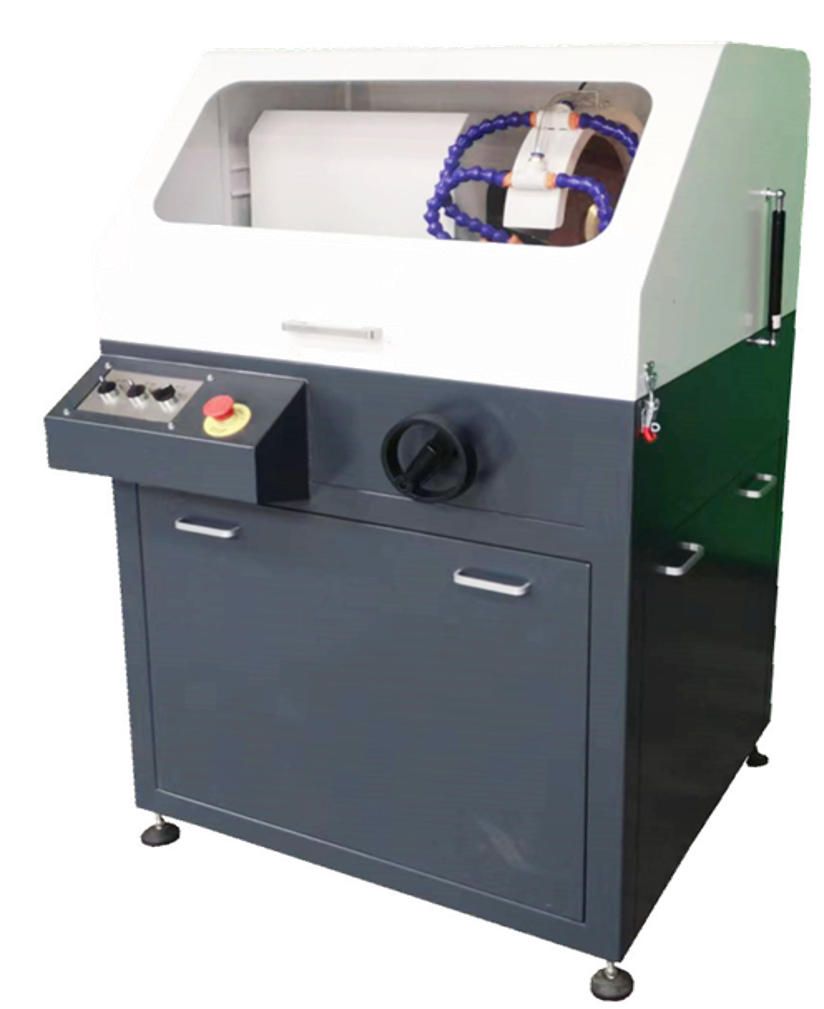
Manual Cut-off Machine
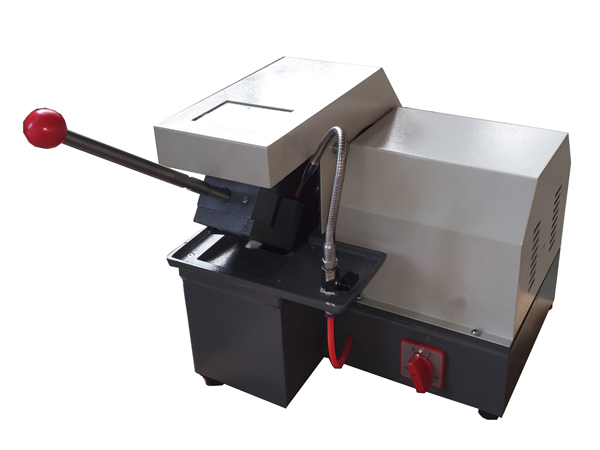
Manual Cut-off Machine
A high-speed abrasive wheel advances into the specimen at a constant feed rate while coolant floods the cut to carry heat away, so the heat-affected layer does not alter the microstructure. The ZHONGYAN ZQ series uses servo feed with closed-loop constant-speed control: linear speed stays at 30–45 m/s with thin blades, keeping the heat-affected layer under 50 μm on ordinary carbon steel, while a high-torque low-speed range handles large sections without burning or blueing the cut face.
The preparation/inspection workflow built around the Metallographic Cutting Machines — every step has its own consumables and parameters.
| Wheel diameter | Ø 200 – 350 mm |
|---|---|
| Spindle speed | 100 – 3000 r/min |
| Feed rate | 0.1 – 3 mm/s |
| Max section | Ø 60 – 120 mm |
| Cooling | Recirculating tank + dual nozzle |
Workpieces over Ø60 mm or continuous batch sectioning → automatic or auto-feed models with a large chamber.
Brittle materials such as crystals, ceramics, glass and coatings → low-speed precision cutting with thin diamond or resin blades for minimal chipping.
Routine sampling with few specimens → manual or bench-top models, small footprint and simple upkeep.
下面三栏分别是同行业工件的真实处理方式、对应的检测方法,以及现场最常要算的几个量。
Lines are staffed 08:30–17:30 on business days. Leave a message after hours and we reply the next working day.
Call Us021-51693591 Email for a quotezhongyanyiqi@163.com Send a messageInclude material and specimen size for a faster answerShortlisted from our own range only; final specifications confirmed by our engineers. Full selection →