
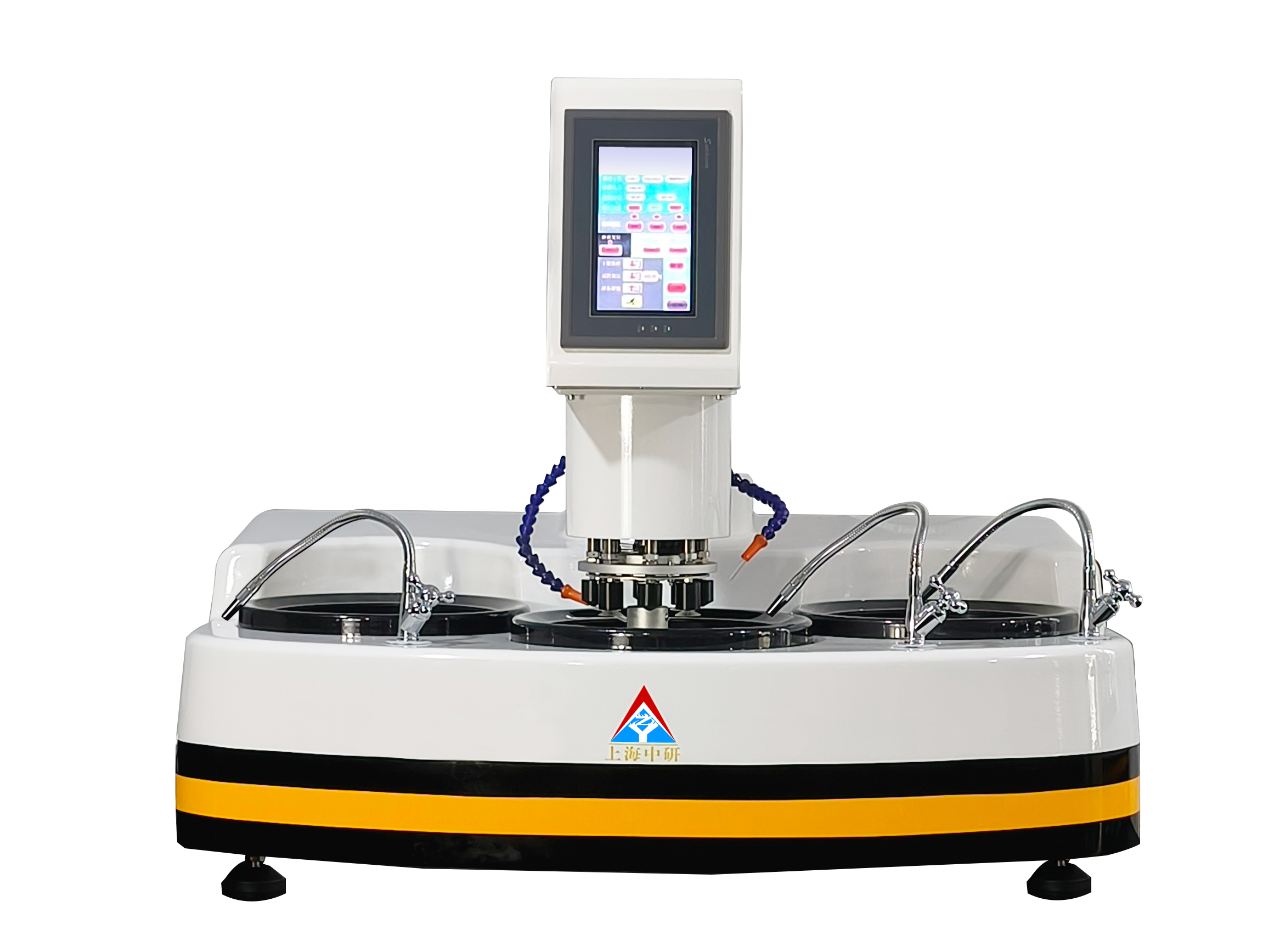
Smart Automatic Grinders & Polishers
ZMP-3000/ZMP-3000S One-Touch Intelligent Automatic Metallographic Grinding and Polishing Machine
Smart Automatic Grinding/Polishing Machine
Model ZMP-3000
Details
One-touch intelligent, smart automatic, precision grinding and vibratory polishing — PLC touch-screen control, up to 8 specimens at once
Smart Automatic Grinding/Polishing Machine
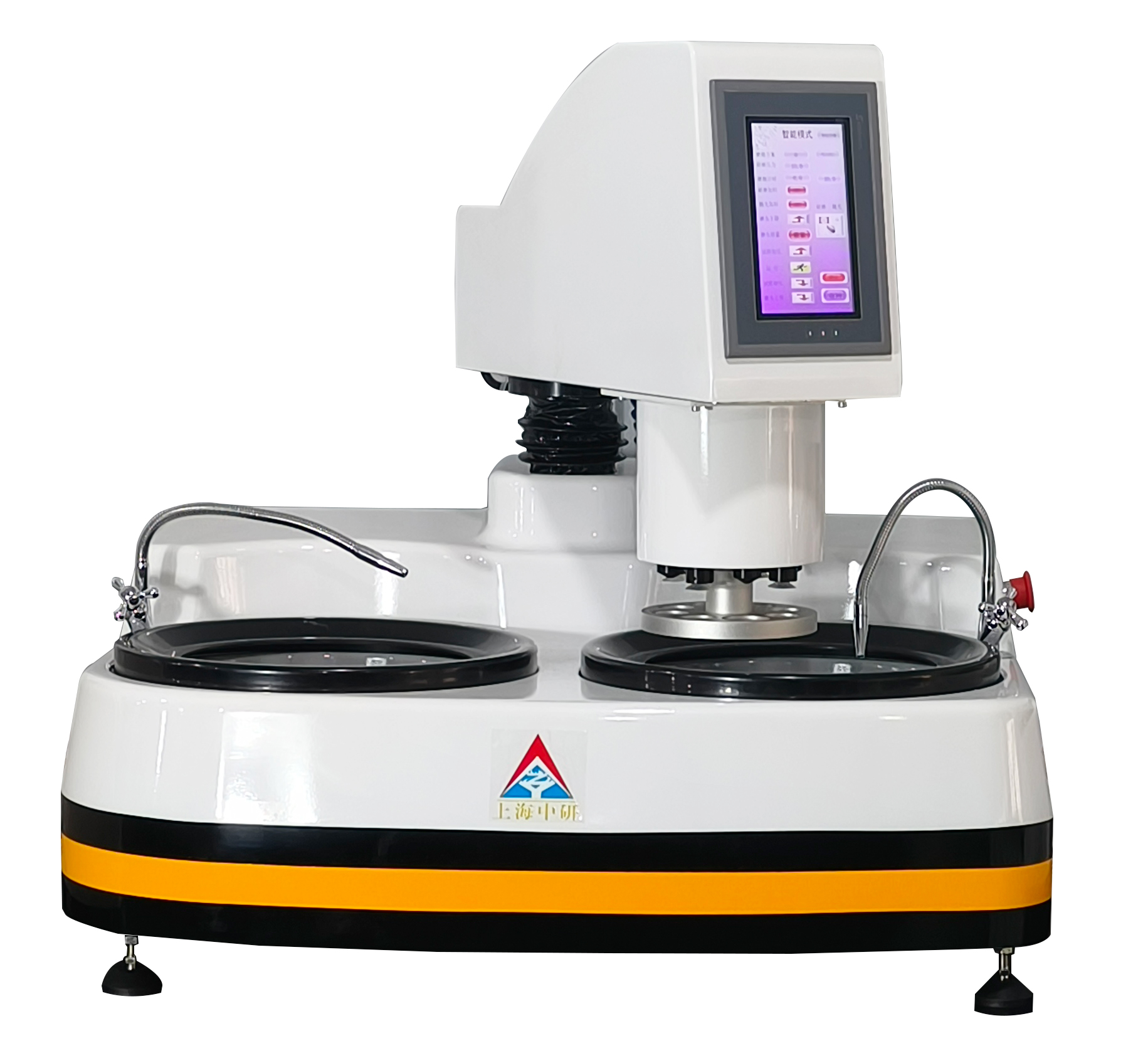
Smart Automatic Grinding/Polishing Machine
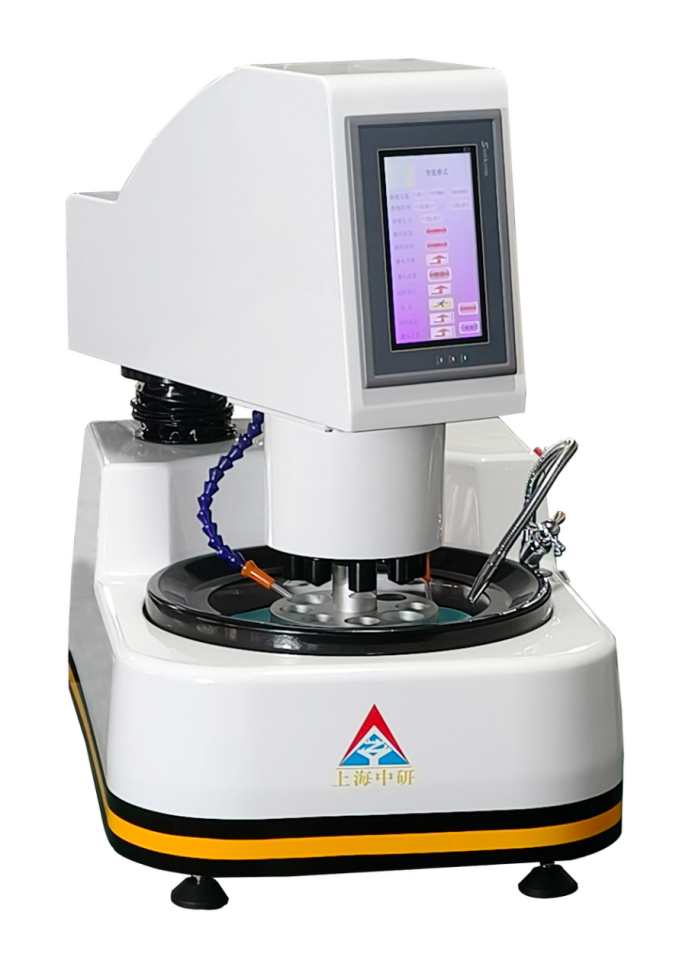
Smart Automatic Grinding/Polishing Machine
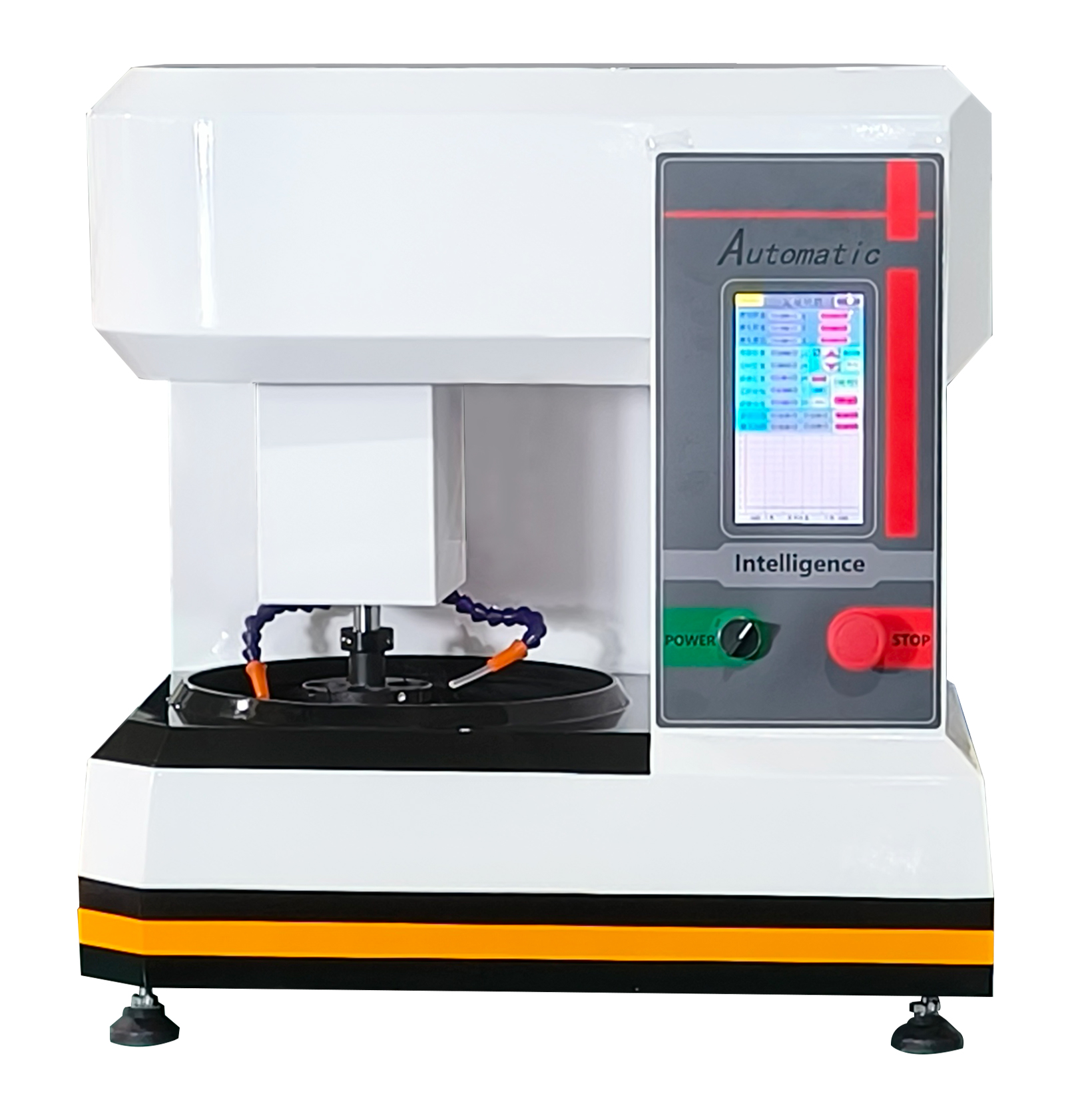
Smart Precision Grinder
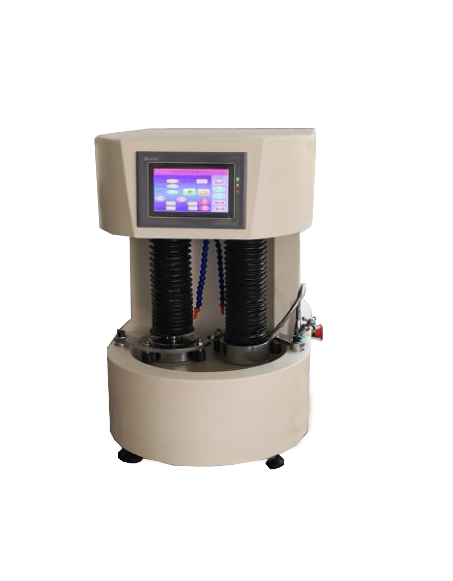
Smart Precision Grinder
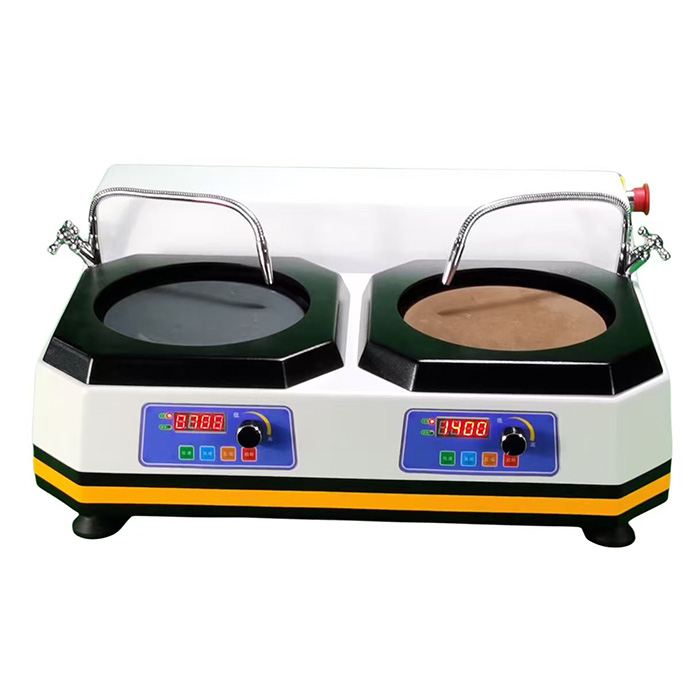
Manual Grinder/Polisher
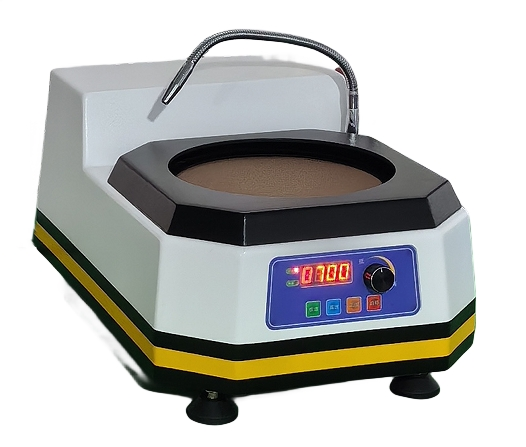
Manual Grinder/Polisher
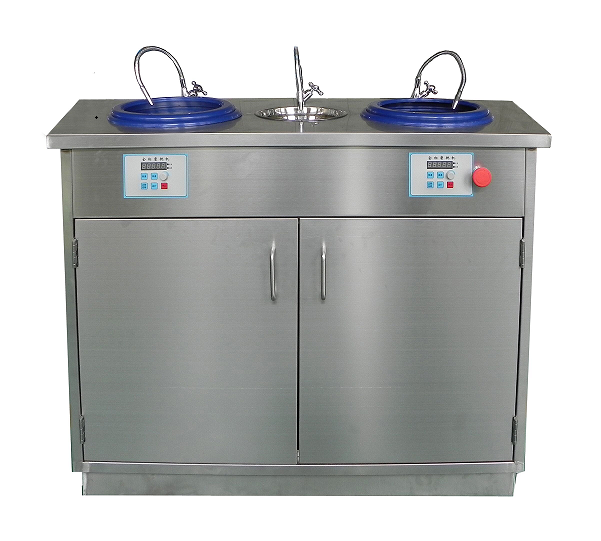
Manual Grinder/Polisher
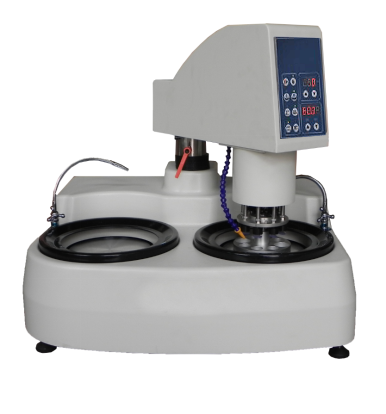
Smart Automatic Grinding/Polishing Machine
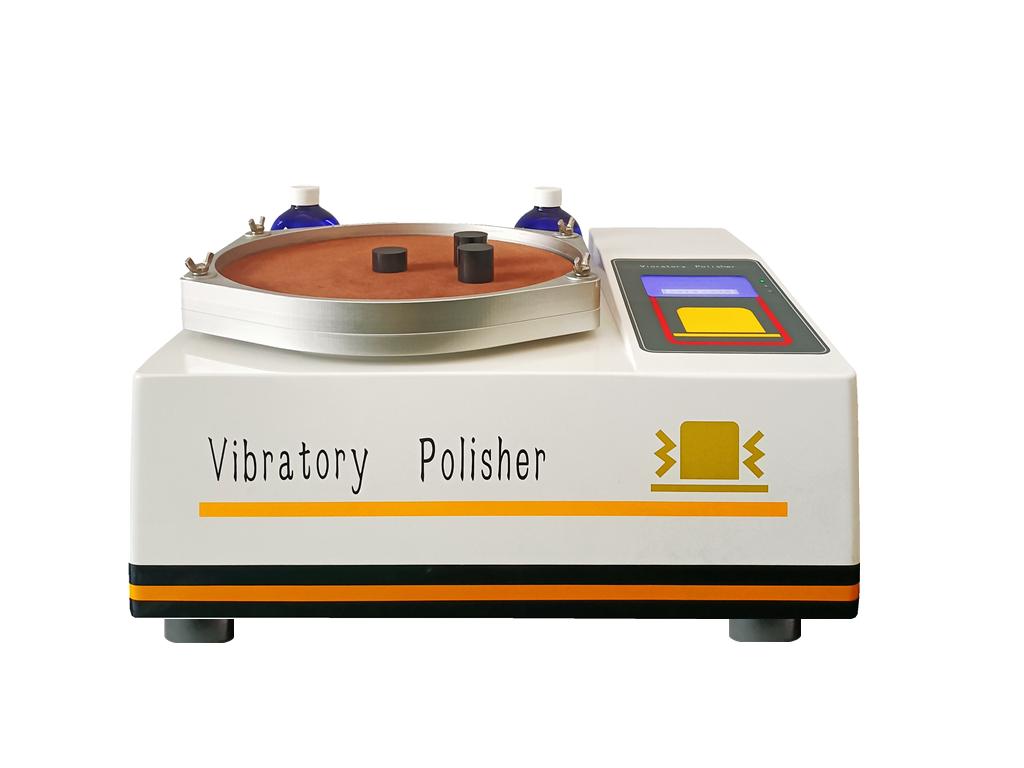
Smart Automatic Grinding/Polishing Machine
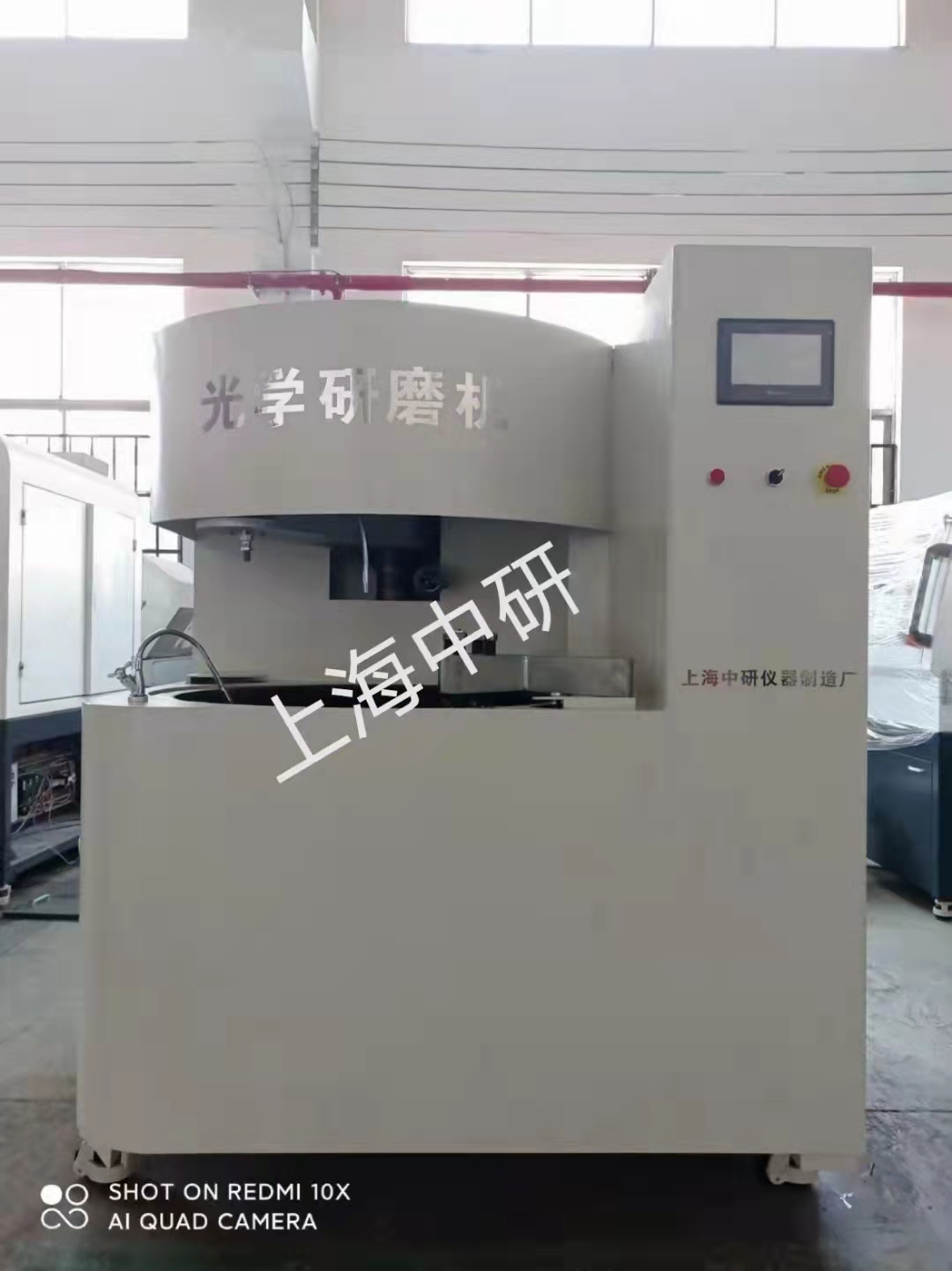
Smart Precision Grinder
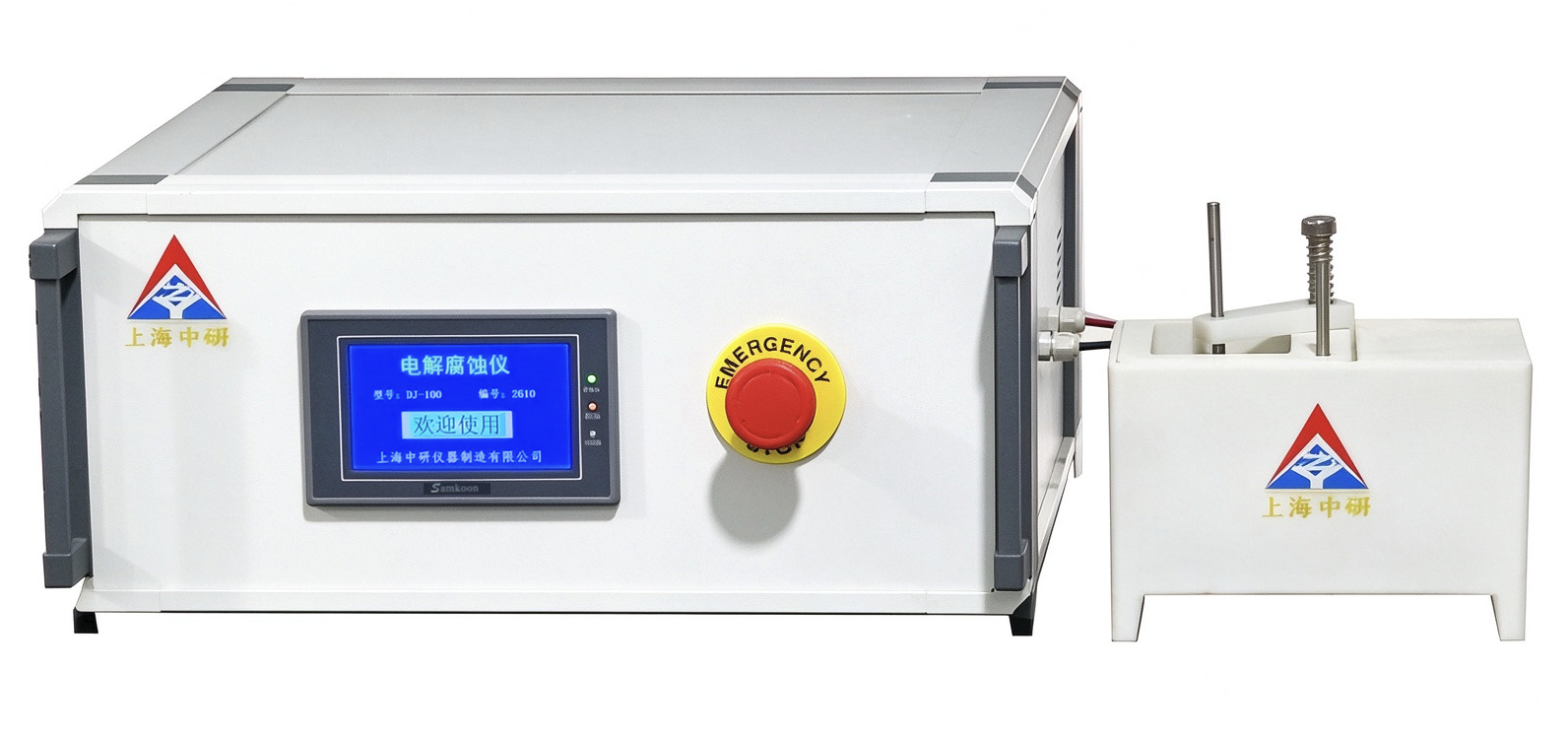
Smart Precision Grinder
Grinding and polishing rely on relative motion between platen and specimen: abrasive on paper or cloth is pressed into the surface at a controlled per-specimen load, removing the cutting damage layer step by step until the true microstructure appears. The ZHONGYAN ZMP series controls platen speed, head pressure and dosing sequence from one PLC — change pressure and time per paper, run up to six specimens from coarse grinding to polishing in one clamp, with closed-loop pressure holding flatness and edge retention.
The preparation/inspection workflow built around the Metallographic Grinding & Polishing Machines — every step has its own consumables and parameters.
| Platen diameter | Ø 200 – 300 mm |
|---|---|
| Platen speed | 50 – 1500 r/min |
| Per-specimen load | 5 – 60 N |
| Specimen capacity | 1 – 8 |
| Timer | 0 – 99 min |
More than 20 specimens a day → one-touch or automatic polisher with stored programs.
Edge retention for coatings and case-hardened layers → closed-loop pressure with individual specimen holders.
EBSD or inclusion analysis needing the highest surface quality → add vibratory or electrolytic polishing as the final step.
下面三栏分别是同行业工件的真实处理方式、对应的检测方法,以及现场最常要算的几个量。
Lines are staffed 08:30–17:30 on business days. Leave a message after hours and we reply the next working day.
Call Us021-51693591 Email for a quotezhongyanyiqi@163.com Send a messageInclude material and specimen size for a faster answerShortlisted from our own range only; final specifications confirmed by our engineers. Full selection →